
How to choose the power battery for a radar car
As an important mobile monitoring platform, radar car is widely used in traffic monitoring, environmental monitoring, meteorological observation and other fields. Its performance is directly related to the accuracy of monitoring data and the stability of the system. In the operation of radar car, power battery, as its core power supply, plays a vital role. Therefore, how to choose the appropriate power supply power battery is the key to ensure the efficient and stable operation of radar car. This article will discuss the battery type, capacity, power, cycle life, safety, cost and other aspects to help users choose the most suitable power battery.
I. Battery type
when selecting radar car power battery, the type of battery should be considered first. Currently, there are mainly the following battery types on the market:
1. Lithium ion battery
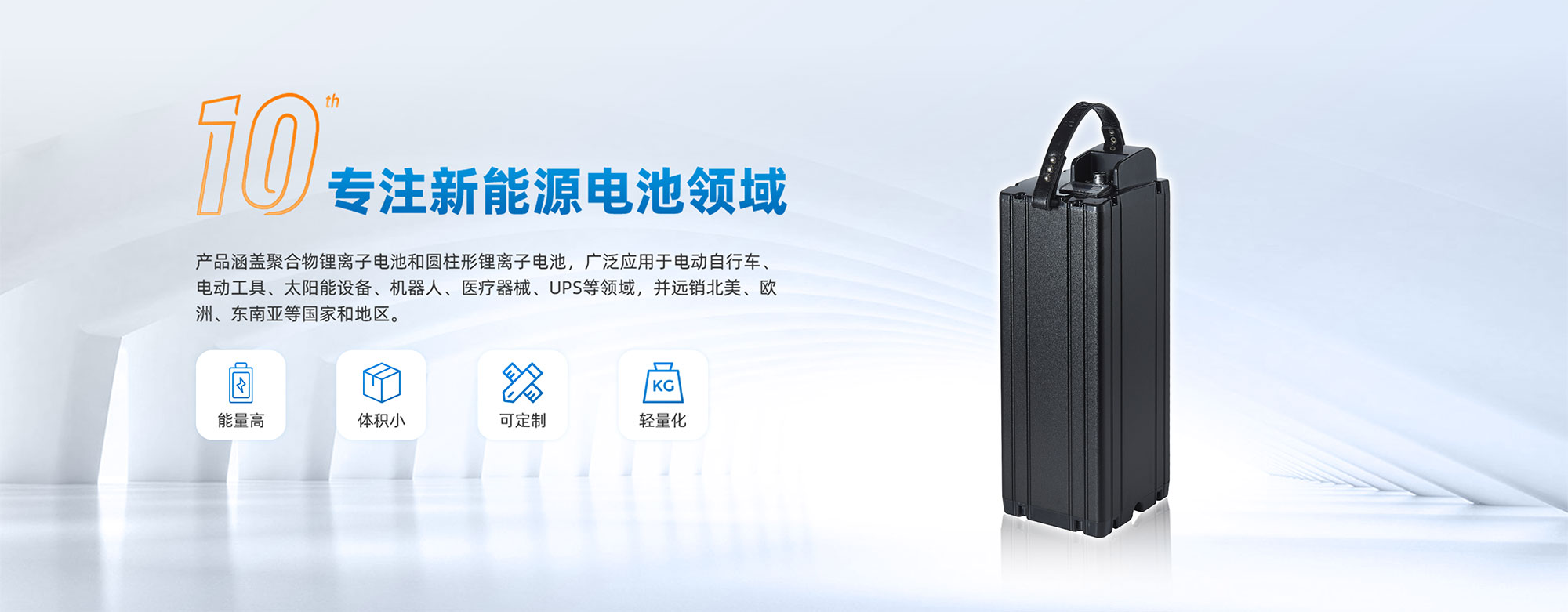
lithium ion battery is the most widely used battery type at present, which has the advantages of high energy density, long cycle life and low self-discharge rate. Due to its lighter weight and smaller volume, lithium-ion batteries are very suitable for radar car mobile devices.
2. Lead acid battery
lead-acid battery is a traditional battery choice with low cost and mature technology. However, lead-acid batteries are relatively heavy, with low energy density and cycle life.Not as good as lithium ion batteries. Therefore, although lead-acid batteries have advantages in initial investment, they may not be the best choice from the perspective of long-term use.
3. Ni-MH battery
ni-Mh batteries are also used in some specific applications. Although the energy density is lower than that of lithium ion batteries, they have fast charging speed and strong environmental adaptability. However, the self-discharge rate of Ni-MH battery is relatively high and its service life is relatively short.
II. Battery capacity
the battery capacity directly affects the battery life and monitoring capability of radar car. When selecting battery capacity, you need to consider the following factors:
1. Working time requirements
the working time of radar car is usually directly related to the duration of the monitoring task. If radar car needs to run continuously for a long time, it is necessary to select a larger capacity battery to ensure sufficient power supply throughout the working cycle.
2. Power consumption calculation
different radar equipment is runningThe power consumption varies greatly. When selecting battery capacity, users need to accurately calculate the power consumption of radar equipment, including the power consumption of radar itself, data processing equipment, communication system and other accessories, so as to select the appropriate battery capacity.
3. Standby capacity
when selecting battery capacity, standby capacity should also be considered. In order to cope with unexpected situations, such as equipment failure or the need to extend working hours, appropriate increase of battery capacity can provide higher flexibility.
III. Power output
radar car power batteries need to be able to provide sufficient power output to support the start-up and operation of radar equipment. The selection of power output should focus on the following aspects:
1. Start power
radar equipment needs a large instantaneous power when starting, so the battery must be able to provide sufficient starting power. It is very important to select a battery with good instantaneous power output capability, especially under high load.
2. Continuous output
IV. Cycle life
the cycle life of the battery is the key factor affecting its long-term economy. When selecting a radar car power battery, consider:
1. Usage frequency
if radar car is frequently used, it is particularly important to choose batteries with long cycle life. The cycle life of lithium-ion batteries is usually longer, generally reaching more than 500 times, while the cycle life of lead-acid batteries is relatively short.
2. Charge and discharge depth
the cycle life of the battery is also related to the depth of charge and discharge. Deep discharge has a great influence on the battery life, so deep discharge should be avoided as much as possible during use to prolong the battery life.
V. Security
1. Overcharge protection
overcharge is an important cause of battery damage and even safety accidents. Selecting batteries with overcharge protection can effectively reduce security risks.
2. Temperature adaptability
radar car operates under different environmental conditions, so the battery needs to have good temperature adaptability. Performance under high or low temperature conditions directly affects the normal operation of radar car.
3. Mechanical strength
since radar car may experience bumps and shocks during use, choosing a battery with good mechanical strength can avoid battery damage caused by external impact.
VI. Cost
finally, cost is a factor that must be considered when selecting power supply and power battery. When selecting,Users should consider the following points comprehensively:
1. Initial investment
the initial investment of different types of batteries varies greatly. Although the cost of lithium ion batteries is relatively high, their long-term use cost may be more advantageous.
2. Maintenance costs
although the initial investment of lead-acid battery is low, its maintenance cost is relatively high and its cycle life is short, which may lead to frequent replacement. Relatively speaking, lithium-ion batteries have lower maintenance costs and longer service life.
3. Performance and economy
when selecting a battery, we should not only consider the initial cost, but also evaluate its long-term performance and economy. Through comprehensive analysis, select the most cost-effective battery solution.
Select radar car power supply power Battery the battery type, capacity, power output, cycle life, safety, cost and other factors need to be considered comprehensively. Reasonable selection can not only improve the working efficiency and stability by radar car, but also reduce the long-term use cost.



 Yue Gong Wang An Bei No. 4419002007491