
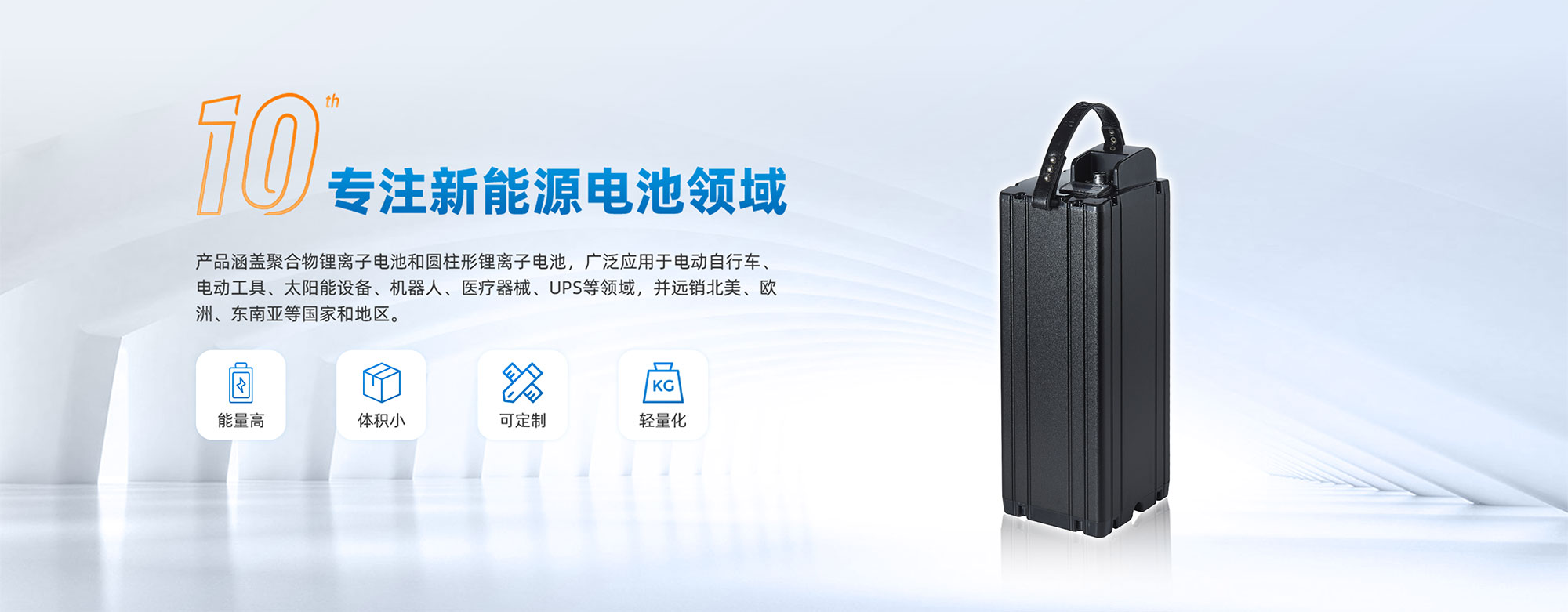
Requirements for a Complete 5kWh Lithium-Battery Design Solution
With the popularization of renewable energy and electric vehicles, lithium batteries, as an efficient energy storage solution, have attracted more and more attention. This article will elaborate the complete design requirements of 5kWh lithium battery in detail, including battery management system, structural design, safety consideration, material selection, test verification and other aspects.
I. Design objectives
when designing a 5kWh lithium battery, you must first define the design objectives, including:
- energy density: ensure that the energy density of the battery meets specific application requirements, so as to maintain a reasonable balance in volume and weight.
- Cycle Life: The design should ensure the cycle life of the battery under normal use conditions, which usually requires more than 2,000 times.
- Security: battery design must fully consider safety to avoid potential safety hazards caused by overcharge, overdischarge, short circuit, etc.
- Cost-effectiveness: on the premise of meeting technical requirements, control production costs to improve market competitiveness.
2. Battery monomer selection
battery monomer is the basic component of lithium battery, and choosing appropriate battery monomer is the key to design.
-
type selection: Common lithium battery types include lithium cobalt oxide (LiCoO2), lithium iron phosphate (LiFePO4) and nickel cobalt manganese oxide (NCM). According to the application scenario, energy density and cost requirements of 5kWh battery, NCM battery monomer is recommended, which has higher energy density and good safety.
-
Specification confirmation: calculate the quantity and specification of the required battery cells according to the energy demand. For example, if the rated capacity of the monomer is 3.7V 2500mAh, at least 8 monomer in series are required to meet the energy demand of 5kWh.
3. Battery management system (BMS)
battery Management System (BMS) is an important part of lithium battery, which is responsible for monitoring and managing the status of battery and ensuring safe and efficient operation.
-
Voltage monitoring: monitor the voltage of each battery cell in real time to avoid overcharging and overdischarging. The design should ensure that the voltage difference of each monomer does not exceed a certain range, usually 0.1V.
-
Temperature Monitoring: monitor the working temperature of the battery through the temperature sensor to prevent risks caused by overheating. BMS should have temperature protection function. When the temperature exceeds the set value, the battery output will be automatically cut off.
-
SOC and SOH computing: BMS should have the ability to calculate the remaining power (SOC) and health status (SOH) of the battery in real time to provide users with accurate battery information.
-
Balance function: in multi-series battery cells, due to manufacturing tolerance and useThe voltage of the battery cells may be inconsistent depending on the conditions. BMS should have the balance function to ensure that the voltage of each monomer is consistent and improve the service life of the battery.
IV. Structural design
the structural design of lithium battery should consider the following aspects:
-
shell material: Select corrosion-resistant and impact-resistant materials, such as aluminum alloy or engineering plastics, to ensure the stability and safety of the battery in different environments.
-
Heat dissipation design: lithium battery will generate heat during the working process, and reasonable heat dissipation design can improve the performance and life of the battery. Effective heat dissipation can be achieved by setting cooling fin, fan or using heat conducting materials.
-
Protective measures: The design should consider waterproof, dustproof and other functions, especially the battery used in outdoor or harsh environment, to ensure the reliability of the battery.
-
Modular design: modular design can facilitate the maintenance and replacement of batteries and improve the overall economy.
V. Security considerations
the safety of lithium batteries is one of the most important aspects in the design, and the following factors should be considered:
-
physical security: design should ensure electricityThe pool will not break or short circuit when it is hit or squeezed. Physical security can be enhanced by increasing the strength of the shell and using protective kits.
-
Electrical Safety: The design should include overcharge, overdischarge, short circuit, overheating and other protection measures. Use fuse, fuse and other equipment to protect the electrical safety of the battery.
-
Thermal management: The battery will generate heat during the charging and discharging process. Reasonable thermal management design can prevent the battery temperature from being too high and avoid the risk of thermal runaway.
-
Testing and Certification: After the design is completed, strict safety tests must be conducted, including short circuit tests, overcharge tests, and thermal runaway tests, and relevant safety certifications, such as UL and CE, must be obtained.
VI. Material selection
in the design of 5kWh lithium battery, material selection is very important. The following key materials should be considered:
-
battery monomer material: select high energy density cathode materials and anode materials, such as NCM and graphite, to improve the overall performance of the battery.
-
Electrolyte: Select electrolyte with high safety and good conductivity to ensure the stability of the battery during charging and discharging.
-
Diaphragm material: diaphragm material with good isolation performance and thermal stability is adopted to prevent short circuit inside the battery.
-
shell material: use high temperature resistant and corrosion resistant materials to make the battery shell to ensure its reliability in different environments.
VII. Test verification
after completing the design, the lithium battery must be fully tested and verified, including:
-
performance Test: verify the energy density, cycle life, charge and discharge efficiency and other indicators of the battery to ensure that it meets the design requirements.
-
Security test: conduct safety tests such as overcharge, overdischarge, short circuit, thermal runaway, etc. to ensure the safety of the battery under extreme conditions.
-
Environmental adaptability test: test the performance of the battery under different temperature, humidity and climate conditions to ensure that it is suitable for various use environments.
-
Long-term stability test: conduct long-term tests under actual use conditions to verify the stability and reliability of the battery.
Designing a 5kWh lithium battery is a complex engineering task, which needs to comprehensively consider many aspects such as battery monomer selection, battery management system, structural design, safety, material selection, test verification, etc.



 Yue Gong Wang An Bei No. 4419002007491