
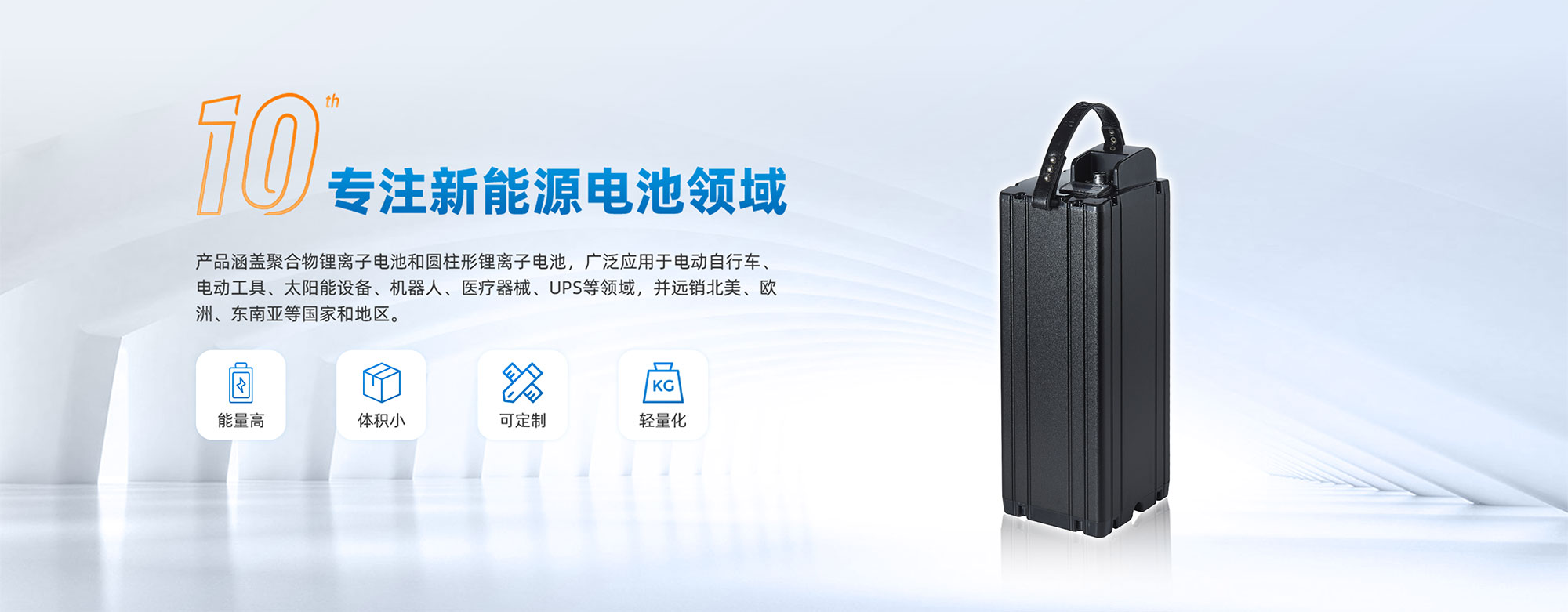
Project Solution for Medical-Grade Non-Magnetic/Low-Magnetic-Interference Lithium-Ion Batteries
In the field of medical equipment, the stability and safety of power supply are crucial. Especially for medical equipment using precision instruments, such as magnetic resonance imaging (MRI) instruments and ultrasonic equipment, any electromagnetic interference may affect the normal operation of the equipment, therefore, the development of medical grade lithium batteries without magnetic or low magnetic interference has become an important demand of the industry. This article will discuss in detail the project solution of medical grade non-magnetic/low magnetic interference lithium battery, including its design principles, key technologies, application scenarios and implementation steps.
I. Design principles
1. Low magnetic interference design
the design of medical grade lithium battery should follow the principle of low magnetic interference to ensure that it will not affect the surrounding medical equipment during use. Therefore, the material selection, structural design and manufacturing process of the battery need to be optimized. For example, non-magnetic materials are used for shell design to avoid using components that generate magnetic fields.
2. Safety and reliability
medical grade lithium batteries need to have high safety and reliability to prevent overheating, short circuit or other faults during use. The thermal management system of the battery should be considered in the design to ensure that the battery keeps the appropriate temperature during the charging and discharging process. In addition, the chemical composition of the battery should also choose materials with higher safety to reduce the risk of explosion or fire.
medical devices usually need to comply with specific industry standards and regulations, such as ISO 13485 and IEC 60601. Therefore, in the design process of lithium battery, it is necessary to ensure that the battery can be well compatible with existing medical equipment and meet relevant safety and performance standards.
II. Key technologies
1. Material selection
in the manufacture of medical grade lithium batteries, the choice of materials is crucial. The use of non-magnetic materials can effectively reduce magnetic interference. For example, aluminum alloy or specific plastic materials can be used for shell materials; Low magnetic alloy is also required for conductive material inside the battery, to reduce the impact on the external environment.
2. Battery management system (BMS)
battery Management System is the key technology to ensure the safe and reliable operation of lithium batteries. BMS can monitor the voltage, temperature, current and other parameters of the battery in real time to prevent overcharge, overdischarge, short circuit and other faults. For medical grade lithium batteries, BMS also needs to have anti-interference capability to ensure normal operation in high magnetic field environment.
3. Thermal Management Technology
lithium batteries generate heat when charging and discharging, so a perfect thermal management system is an important part to ensure the safety of batteries. By designing an efficient heat dissipation structure and combining technologies such as phase change materials or heat pipes, the temperature can be effectively control battery to prevent potential safety hazards caused by overheating.
III. Application scenarios
medical grade non-magnetic/low magnetic interference lithium batteries are widely used in various medical devices. The specific application scenarios are as follows:
1. Magnetic resonance imaging (MRI) Equipment
MRI equipment is extremely sensitive to electromagnetic interference, so using non-magnetic interference lithium batteries in its power supply system can ensure the clarity and accuracy of images. The high energy density and long service life of medical grade lithium battery make it an ideal power supply choice for MRI equipment.
2. Ultrasonic diagnosis equipment
ultrasonic equipment also needs stable power support during diagnosis. The use of medical grade lithium batteries can provide continuous power to ensure the stability of ultrasonic signals, thus improving the accuracy of diagnosis.
for portable medical equipment, such as heart rate monitor and blood glucose meter, the use of medical grade lithium batteries can not only improve the portability of the equipment, but also reduce the influence of magnetic interference on the measurement results.
IV. Implementation steps
1. Demand Analysis
in the start-up phase of the project, it is first necessary to conduct in-depth demand analysis to clarify the application scenarios, performance indicators and relevant standards of lithium batteries. At the same time, communicate with medical equipment manufacturers to understand their specific requirements for batteries.
2. Design and development
design and develop lithium batteries according to the results of demand analysis. In terms of material selection, structural design and development of battery management system, attention should be paid to low magnetic interference and high safety. The design process should be combined with relevant industry standards to ensure that the battery meets the requirements of medical equipment.
3. Prototype testing
4. Production preparation
after passing the prototype test, prepare for mass production. At this stage, a complete production process should be established, including material procurement, production process, quality control, etc. At the same time, ensure that the production equipment and process meet the relevant standards of the medical industry.
5. Marketing
after mass delivery, market promotion will be carried out to show medical equipment manufacturers and end users the advantages of medical grade non-magnetic/low magnetic interference lithium batteries and promote their application in medical equipment.
The solution of the medical grade non-magnetic/low magnetic interference lithium battery project covers from design principles, key technologies, application scenarios to implementation steps. Lithium battery all aspects of development. By ensuring low magnetic interference and high safety, medical grade lithium batteries can not only meet the needs of modern medical equipment, but also provide reliable power support for the development of medical industry.



 Yue Gong Wang An Bei No. 4419002007491