
“The strictest-ever battery safety regulation” takes effect in July: How can “no fire, no explosion” be achieved from the cell to the battery pack?
On July 1, 2026,, the mandatory national standard "safety requirements for power batteries for electric vehicles" (GB 38031-2025) was officially implemented. After the power batteries were out of control of heat for the first time, "no fire, no explosion" is listed as a mandatory requirement and is called "the strictest battery safety standard in history" in the industry ".
The new national standard includes 7 single Tests, 17 battery pack tests, or system tests, among which the technical requirements for thermal diffusion tests are from the previous "fire, the alarm signal of thermal event provided 5 minutes before explosion is adjusted to" no fire, no explosion (alarm is still needed), and the smoke will not cause damage to passengers ". This means that the focus of safety design has shifted from "striving for escape time" to "blocking the spread of heat out of control".
What does this mean to the PACK factory? Security at the cell level is the foundation, but what really determines whether battery pack can pass the thermal diffusion test is the system-level protection design. The conduction path of heat between cell, the layout of pressure relief channels, the selection and thickness of heat barrier material, and the distribution density of BMS temperature collection points directly affect the final test results.
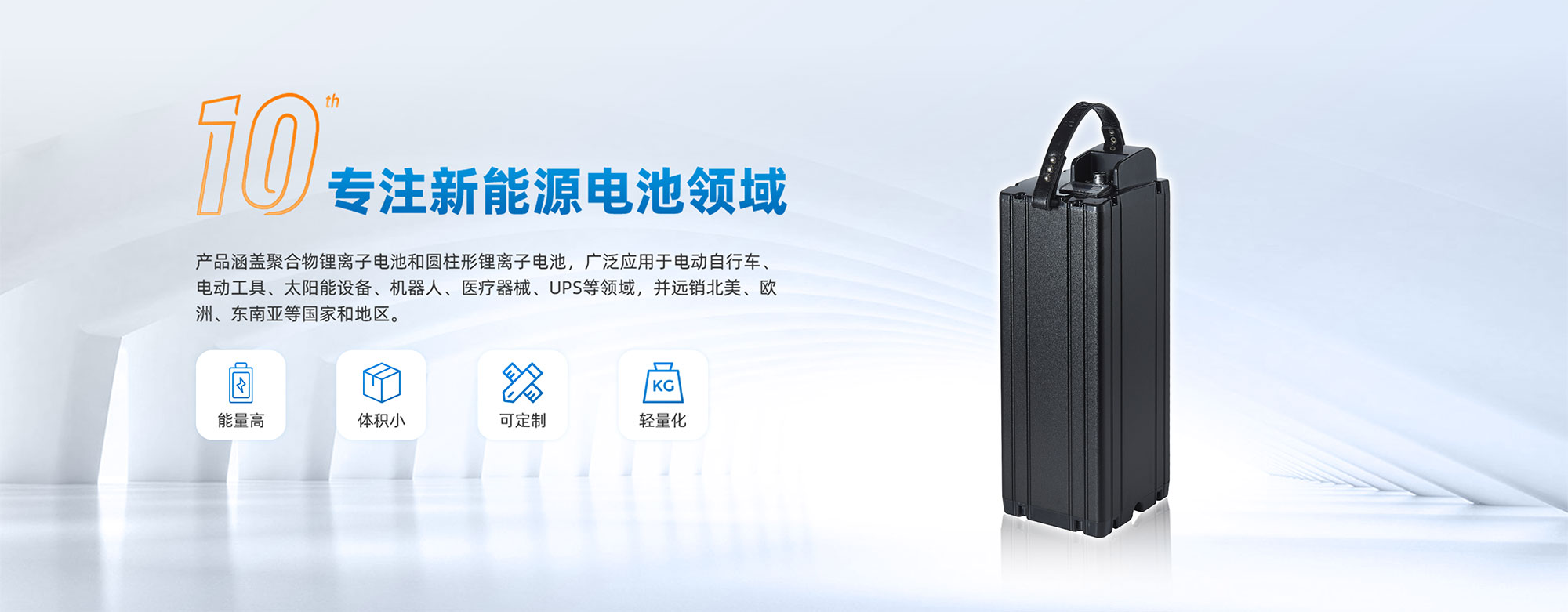
Dongguan Juneng New Energy Technology Co., Ltd. Battery pack structure design, accumulated more than 10 years of engineering experience in thermal management application. The company adopts a multi-layer protection strategy in PACK safety design: through aerogel heat proof mat, the heat is locked in a local area, and the pressure relief channel is used to release high temperature gas, the BMS temperature monitoring strategy implements hierarchical response to abnormal temperature rise. These designs need to be in itemsThe concept stage is involved, instead of "supplementing the plan" after the battery pack is finalized ".
For equipment manufacturers, the implementation of the new national standard means that the screening standards of battery pack suppliers need to be upgraded. A pragmatic judgment criterion is whether the other party can clearly explain the technical path of thermal runaway protection in the scheme design stage and give verifiable test data.



 Yue Gong Wang An Bei No. 4419002007491