
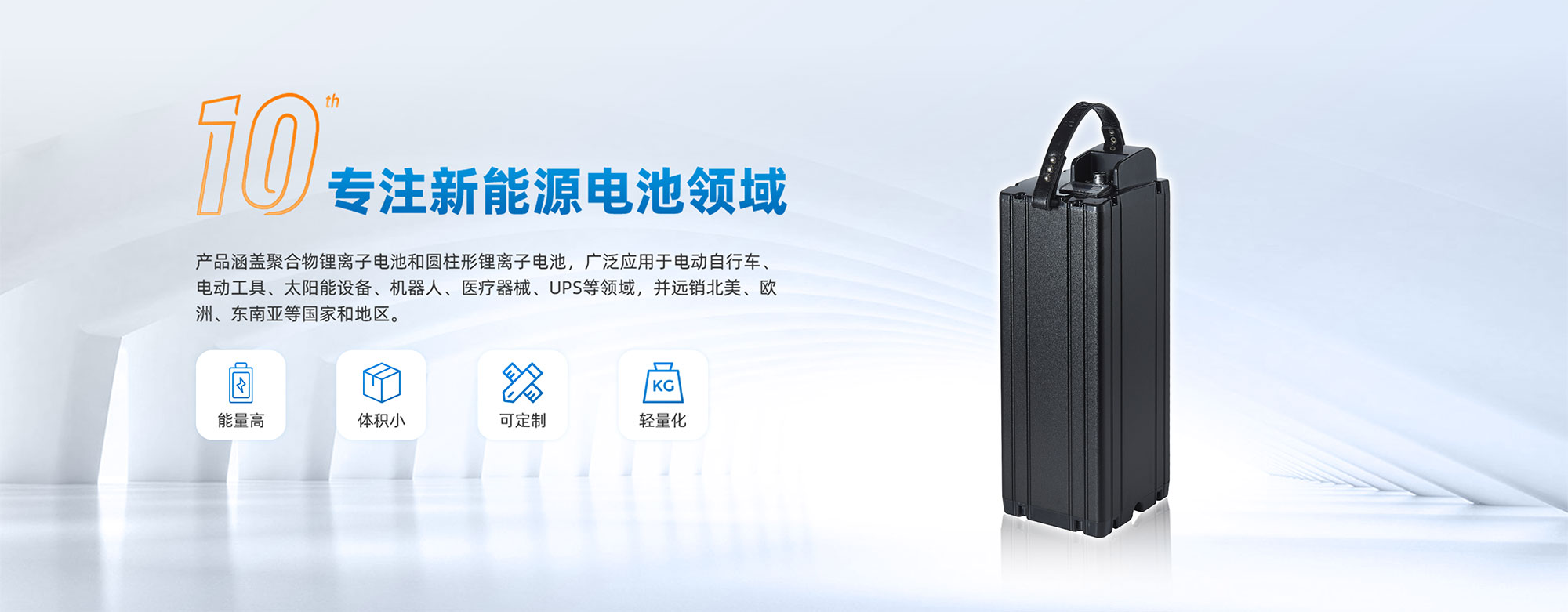
From laser parameters to AI vision, the microscopic manufacturing journey of a battery pack.
time:2026-10-11
In the welding workshop where new energy sources are gathered, a laser beam flickers at a frequency of 5,000 times per second, leaving a thin wire-like weld between the cell pole and the copper bar. The width of this weld is controlled at 1.5mm, the consistency deviation of penetration is no more than ± 0.1mm, and the tensile force of the welding spot exceeds the strength of the base metal itself. This is not an artistic performance, but an industrial manufacturing-the new energy source called it "welding aesthetics", which is an ultimate pursuit of micro precision.
Laser welding: The Art of parameters. Aluminum Case cell of the electrode lug welding, the power is too high and easy to burn through, the power is too low, the penetration is insufficient; Copper bar and aluminum row of the heterogeneous metal connection, must use ultrasonic welding or nickel plating transition, to prevent electrochemical corrosion. Welding engineers who gather energy from new energy sources debug laser parameters like tuning instruments-power, speed, defocus and protective gas flow. Each variable has been designed by DOE experiment and optimized by response surface. The final parameter window is narrow to only 5% tolerance, but it can remain stable in millions of welding times.
AI vision: "CT scan" of weld seam ". After welding is completed, each weld must undergo AI visual inspection and X-Ray nondestructive testing. The high-speed industrial camera captures the molten pool form at a speed of 5,000 frames per second, and the deep learning model judges the penetration, porosity and splash in real time. The detection rate exceeds 99.9%. X-Ray penetrate the surface and examine the uniformity of penetration depth and unfused area inside the weld. Aggregate energy new energy performs 100% full inspection on key solder joints, rather than common spot inspection in the industry-because any solder joint fails in a battery pack, it may evolve into a hidden danger of thermal runaway after thousands of cycles.
Craft Inheritance: from "master" to "digital master". Energy gathering new energy will transform the experience of senior welding technicians into quantifiable process parameters and Reproducible operating standards. NewThe welder who joined the job did not follow the old master to "look at the hand feeling", but simulated training for hundreds of hours in the digital twin system, and could only take up his post after passing the examination. This "man-machine coordination" mode not only retains the essence of the process, but also eliminates artificial fluctuations, and the welding defect rate is stable below 50PPM.
Material Innovation: from "welding" to "good Welding". New energy sources and material suppliers jointly develop special welding materials-low splash welding wire, high wettability brazing material, oxidation resistance coating. These materials are not visible on the parameter table, but contribute significantly to the welding quality. The introduction of a new structural adhesive improves the bonding strength between the thermal pad and cell by 30%, reduces the thermal resistance, and reduces the temperature difference of the whole package by 2 ℃.
When the industry regards welding as a "conventional process", the new energy source promotes it as "core competitiveness". Because they know very well that in power Battery in the world, safety is not "almost", only "zero defect"; And the starting point of zero defect is the weld with a precision of 0.02mm.



CUSTOMER SERVICE
 Yue Gong Wang An Bei No. 4419002007491